
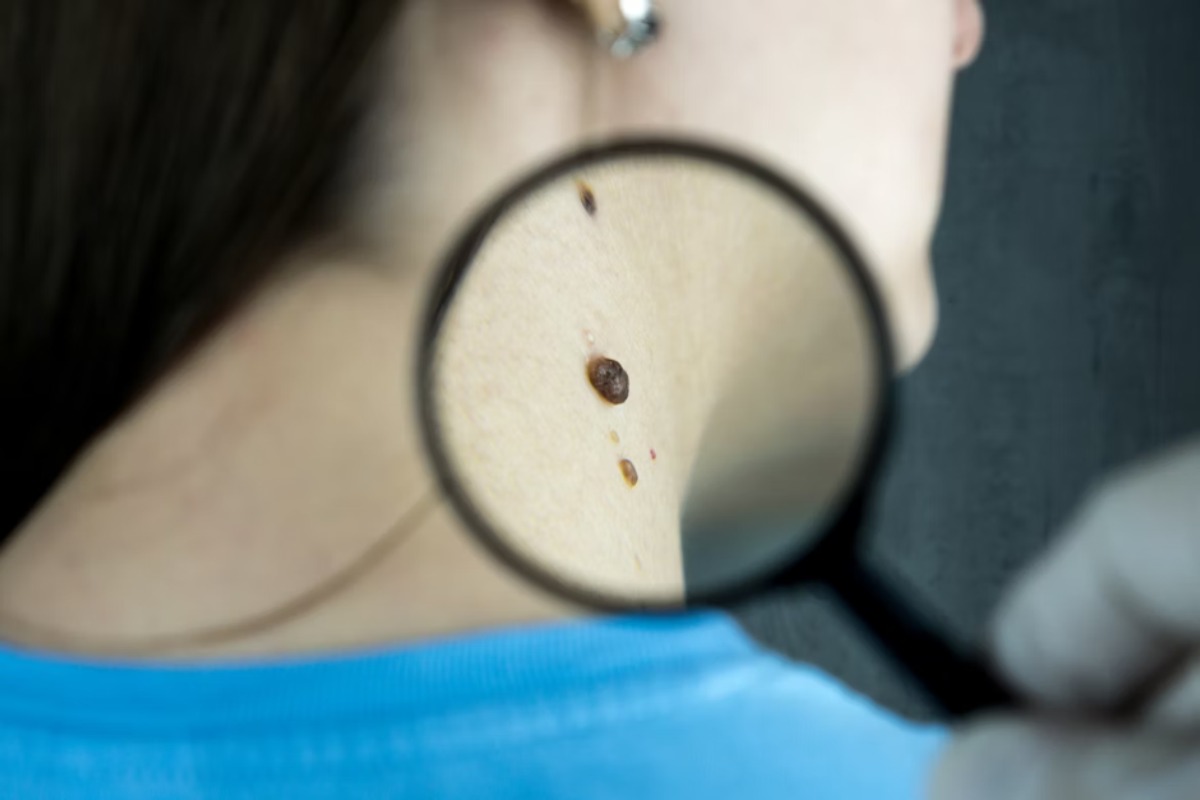
Want to know exactly what happens during a skin check?
If it’s your first time going in for one, walking into that clinic can be a little bit intimidating. You might be wondering: what will the doctor do, how long will it take, and will it hurt?
Breathe easy because:
A skin check is quick, painless and could quite literally save your life.
Skin cancer is one of the greatest common cancers in Australia, with 2 in 3 Aussies being diagnosed in their lifetime. Getting regular skin checks is one of the best things you can do for your health. In this guide, I’m going to break down exactly what happens during a skin check so you know what to expect when you go in for your first one.
Let’s get started!
What Is a Skin Check?
A skin check (also recognized as a skin cancer screening) is a inclusive examination of your skin by a trained professional.
The aim? To identify any suspicious moles, lesions or spots that could be cancerous or pre-cancerous.
Here’s what you need to know:
During the check, a doctor or dermatologist examines your entire body from head to toe, looking for anything unusual that may require further investigation.
Think of it like a car service. You wouldn’t drive around for years without oil changes, right? Your skin deserves the same level of care.
Why Skin Checks Matter
Did you know Australia has one of the uppermost rates of skin cancer in the world?
I don’t mean to scare you, but in 2024, it’s estimated that around 18,964 Australians will be diagnosed with melanoma (the most serious type of skin cancer).
Don’t let that number freak you out because:
When caught early, the survival rate for melanoma is over 90%. The good news is regular skin checks are your first line of defence against skin cancer.
If you live in New South Wales, professional clinics like this offer high-quality skin check in Sydney clinics with advanced technology and experienced doctors who know what they’re doing. The earlier you can identify something suspicious, the better your chances are.
The Step-By-Step Process
Ok, so what actually happens during your appointment? Let me walk you through it…
Before Your Appointment
Most clinics will ask you to attend with clean skin. That means:
- No make-up
- No nail polish
- Hair down (so they can check your scalp)
You’ll also be required to fill out a medical history form. This is to identify any prior skin cancers, family history, or other relevant details, such as sun-exposure habits.
The Visual Examination
The doctor will first start with a visual inspection of your entire body.
They’ll examine every inch of your skin, including areas you don’t usually check—between your toes, behind your ears, your scalp, etc.
They’re looking for:
- Irregular moles or spots
- Changes in existing moles
- New growths
- Asymmetrical lesions
- Variations in colour or texture
It’s not uncomfortable; you’ll just be given a gown to wear, and they’ll check different areas in private.
Dermoscopy
After the visual check, they’ll use a dermatoscope.
This handheld magnifying device with a light allows them to examine suspicious spots in much greater detail. It’s completely painless; they’ll just gently place it on your skin.
The dermatoscope lets them see structures and patterns beneath the surface that are invisible to the naked eye. This makes it easier for them to determine whether something is benign or needs further investigation.
Photography and Mapping
Most modern skin clinics now use body-mapping technology.
They take high-resolution photos of your entire body and any suspicious lesions. These are saved in your file so you can easily compare them at your next visit.
Why is this important?
It allows the doctors to track even the slightest changes over time. Things you or the doctor can’t see might be detectable by comparing photos from one check to the next.
Pretty amazing, right?
How Long Does It Take?
The full body skin check usually takes between 20 and 30 minutes.
The first one will take a little longer because the doctor needs to establish a baseline. They’ll record all your existing moles in your file and take initial photos for comparison.
Follow-up appointments are usually shorter, around 15 to 20 minutes, because they’re primarily looking for changes since your last visit.
But here’s the thing…
Don’t rush your appointment. If you have questions or concerns about specific spots, speak up! It’s better to take a few extra minutes than leave feeling worried.
What Happens After Your Skin Check
At the end of the examination, the doctor will discuss their findings with you.
In most cases, everything will be fine, and you’ll be given a timeframe for your next check. If you’re low-risk, this might be every 12 months. If you’re higher risk, it might be every 3 to 6 months.
If They Find Something Suspicious
If the doctor notices something concerning during your check, they might recommend a biopsy.
Don’t panic! A biopsy doesn’t automatically mean you have cancer; they want to analyse the cells under a microscope to be sure.
The biopsy will involve:
- Numbing the area with local anaesthetic
- Removing a small sample of tissue
- Sending it to a lab for analysis
You will usually receive the results within a week or two. If it is cancerous, the doctor will discuss treatment options with you. The earlier they catch it, the simpler the treatment is likely to be.
Your Skin Cancer Risk Level
The doctor will assess your skin cancer risk level at the end of your examination.
Factors they’ll consider include:
- Number of moles
- Family history
- Skin type
- Sun exposure history
- Previous skin cancers
This helps them, and you develop a monitoring plan tailored to your specific needs.
Tips for Your First Skin Check
Want to make the most of your appointment? I’ve got a few quick tips:
Before you go:
- Write down any questions or concerns you have
- Note any spots you’ve noticed that have changed recently
- Remove all jewellery and accessories
- Wear your hair down
During the appointment:
- Be honest with them about your sun exposure history
- Point out any spots you’re concerned about
- Ask questions if anything is unclear
After the appointment:
- Book your next check before you leave
- Perform regular self-checks at home
- Protect your skin from sun damage
What About Self-Checks?
Professional skin checks are a must, but self-checks in between appointments are also important.
Get to know your skin. Check yourself monthly using a full-length mirror and note any changes. New spots, changes in existing moles or anything that looks ‘different’ should be checked by a professional.
Remember the ABCDE rule:
- Asymmetry — one half doesn’t match the other
- Border — irregular or blurred edges
- Colour — multiple colours or uneven colour
- Diameter — larger than 6mm (a pencil eraser)
- Evolving — changing size, shape or colour
If you notice anything concerning, don’t wait for your next appointment. Make an appointment with your doctor ASAP.
Wrapping Up
Skin checks are one of the simplest and most effective things you can do to protect yourself from skin cancer.
The process is quick, painless and can detect something early when it’s most treatable. With skin cancer rates being as high as they are in Australia, regular skin checks aren’t just a good idea; they’re essential.
To recap, this is what happens during a skin check:
- Complete visual examination of your entire body
- Dermoscopy to examine suspicious spots more closely
- Photography and body mapping for future comparison
- Assessment of your skin cancer risk level
Don’t put it off. If you haven’t had a skin check in the last year (or ever!), now is the time to book one. Your future self will thank you for taking action today.
Remember… early detection saves lives. Make skin checks a regular part of your healthcare routine and protect yourself from Australia’s most common cancer.
Also Read: How Is Sodium Bicarbonate Used to Treat Kidney Disease?