
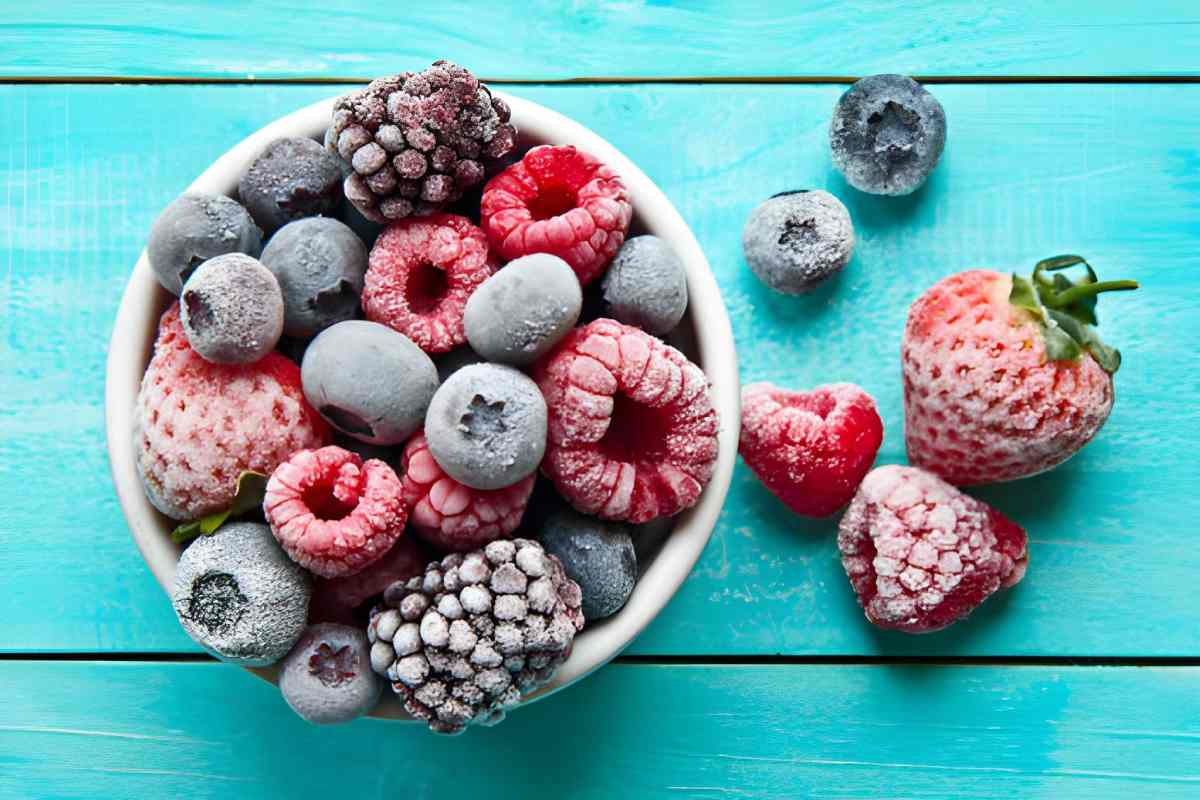
Whether or not your goal is to lose weight, nutrition experts recommend increasing your intake of fruits and vegetables. In fact, a good goal for every meal is to fill half your plate with these fresh products. Unfortunately, only about 12% of Americans meet the recommended daily intake of fruit.
Centres for Disease Control and Prevention. Adults Conference Fruit and Vegetable Intake Recommendations: United States, 2019.
If you are one of the 9 out of 10 adults who do not meet that goal, frozen fruit can help you achieve it. Frozen fruit is easy to find, convenient, affordable, and always ready to eat—no washing or chopping required.
Discover which frozen fruits six registered dietitians always keep in their freezers, along with fun ways to use them to support weight loss.
1. Bananas
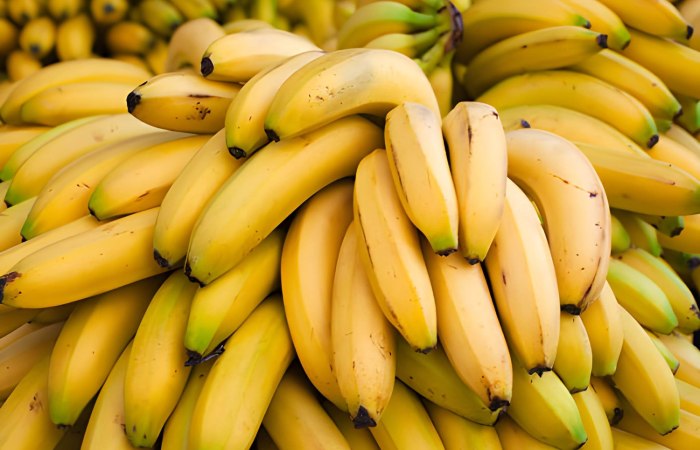
One of the best ingredients to stock in your frozen fruit stash is frozen banana, says culinary nutrition expert and cookbook author Wendy Jo Peterson, M.S., RDN. “Frozen bananas are the perfect addition to smoothies, as they create an incredibly creamy and sweet consistency while providing an extra nutritional boost,” notes Peterson.
A small banana provides 3 grams of satiating fibre, along with gut-friendly prebiotics and potassium, which helps regulate blood pressure. You can buy a bag of sliced frozen bananas at the grocery store, or keep a bag in your freezer to stash those bananas that have become “just a little too ripe.” And you don’t have to use frozen bananas solely in smoothies. You can easily take them out of the freezer, thaw them in the microwave, mash them, and incorporate them into your favourite banana bread or muffin recipe.
2. Wild Blueberries
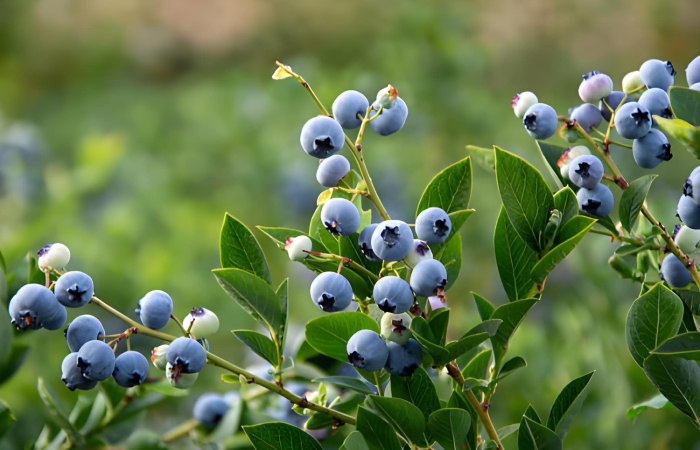
Blueberries—in all their forms—are a wonderful addition to your kitchen; however, wild blueberries—those little gems found in the freezer aisle—constitute a true nutritional treasure. “Wild blueberries are smaller than traditional fresh blueberries, but they are also sweeter and contain less sugar,” states Toby Amidor, M.S., RD, a registered dietitian and cookbook author.
For reference, a one-cup serving of wild blueberries provides 10 grams of natural sugar and 6 grams of dietary fibre. That same one-cup serving—but of standard blueberries—provides 15 grams of natural sugar and 4 grams of dietary fibre.
3. Tart Cherries
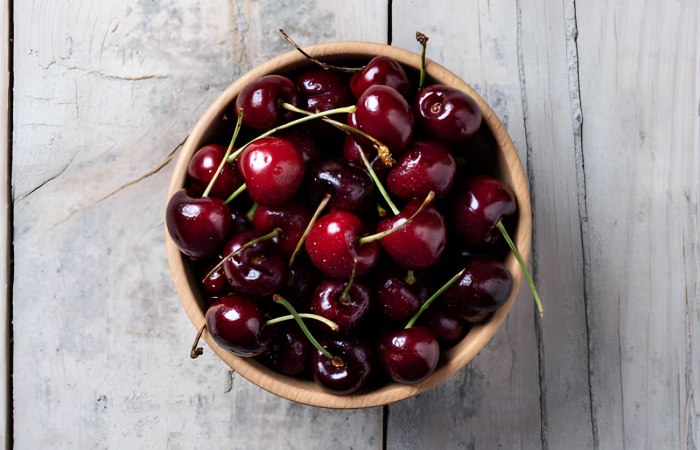
The fresh cherries you find at your local supermarket likely belong to the sweet variety. However, tart cherries are another seasonal gem that you can find year-round in the frozen foods section of your regular grocery store.
Amidor loves adding tart cherries to her morning protein smoothie because of their anti-inflammatory benefits. “[Just like blueberries], tart cherries are rich in anthocyanins, which have been shown to help accelerate muscle recovery after a workout,” states Amidor. “Anthocyanins also possess anti-inflammatory properties that help reduce inflammation.”
If you are ramping up your physical activity to help achieve your weight-loss goals, this frozen fruit could become your new best friend. If you manage to snag a bag, be sure to try them in frozen desserts, smoothies, and baked goods.
4. Mango
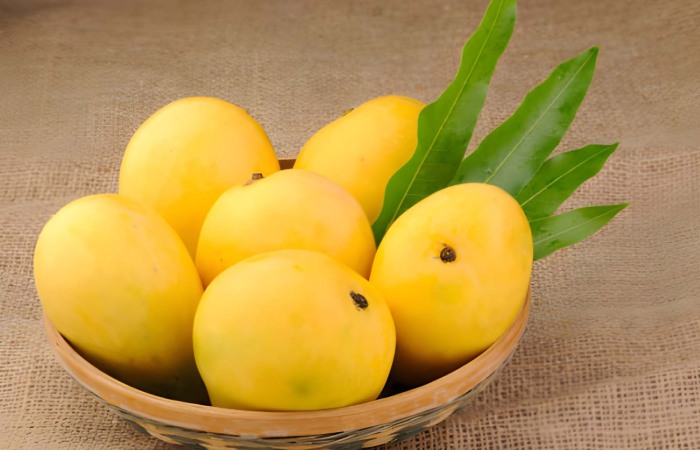
Enjoying mangoes may be a sign of a healthier diet, according to research showing that both children and adults who consume mangoes exhibit better overall diet quality than those who do not.7 This study suggests that men, in particular, who eat mango are more likely to have a lower body mass index (BMI), waist perimeter, and body weight compared to those who avoid mango. Generally speaking, however, incorporating mango into your diet increases your intake of fibre, magnesium, potassium, and vitamins A, C, and E, while reducing your intake of added sugars, according to research. Perhaps there is something unique about the natural sweetness of mango that satisfies the palate. Think of mango as nature’s candy.
While fresh mangoes are delicious, they aren’t always widely available. “My whole family loves mango, so having frozen mango on hand is essential for keeping everyone happy,” comments Peterson. Frozen mango thaws easily, making it a good substitute for fresh mango in any recipe.
Frozen mango is ideal for preparing smoothie bowls, salads, and sauces.
Both wild and cultivated blueberries contain anthocyanins: essential antioxidants present in their blue skins that exert profound effects on overall health, encompassing heart health, diabetes, weight management, and neuroprotection. However, a particular benefit of wild blueberries is that, being smaller fruits, they contain a higher concentration of this antioxidant compound than other types of blueberries.
Frozen wild blueberries are an excellent addition to quick breads, muffins, overnight oats (or baked oats), and smoothies; they are also delicious when mixed directly into oatmeal or yoghurt.
5. Pomegranates
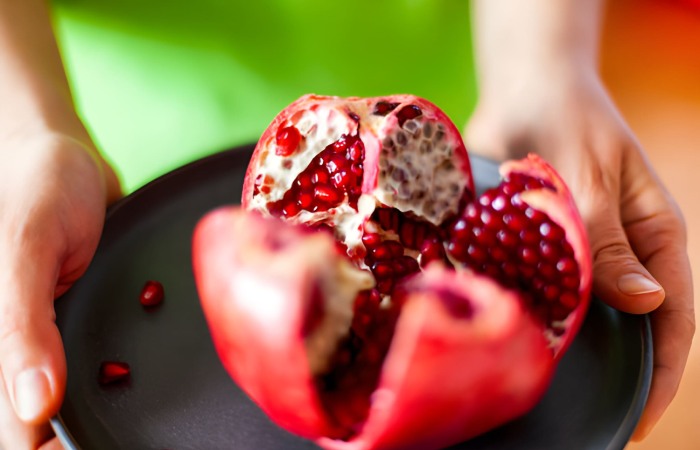
If you don’t want the hassle of dealing with a whole fresh pomegranate to get at its juicy seeds, you’re in luck. Pomegranates are available in the frozen foods section. “They can be used in any recipe that noises for fresh pomegranate,” says Peterson.
These ruby-red gems are an excellent source of fibre, providing 6 grams per ¾-cup serving. Furthermore, pomegranates also provide polyphenols—important antioxidants that help fight the free radicals responsible for cellular damage over time.
A review of 20 clinical studies on pomegranates found that this fruit may help prevent and treat metabolic syndrome—a cluster of conditions (such as high blood pressure, elevated blood sugar heights, and a large waistline) that increase the risk of heart disease, stroke, and diabetes. Pomegranate consumption has been shown to help reduce body weight, blood pressure, blood sugar levels, triglycerides, total cholesterol, then low-density lipoproteins, as well as improve insulin resistance. While more clinical trials are needed to support these findings, you can rest assured that by consuming these seeds, you are doing something beneficial for your health.
Frozen pomegranate seeds make an excellent garnish for whipped feta dip or a crunchy substitute for croutons in a salad.
6. Strawberries
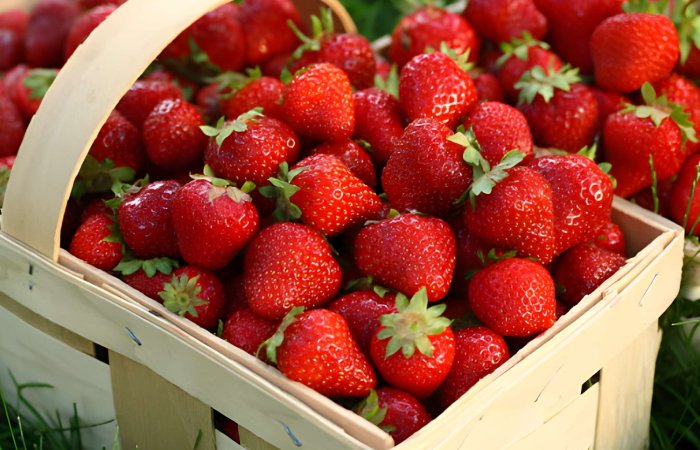
Strawberries are a staple in many dietitians’ freezers. “My three kids always ask for frozen berries for their smoothies, so they’ve become a household staple; I stock up on them whenever they come home from college,” notes Amidor.
One cup of frozen strawberries contains 3 grams of dietary fibre and just 52 calories. Thanks to their low calorie count and natural sweetness, they make the perfect dessert for satisfying a sweet craving while helping you achieve your weight-loss goals.
In a study involving adults with obesity and elevated LDL (“bad”) cholesterol, those who consumed 2.5 servings of strawberries daily for 4 weeks showed improvements in insulin resistance and lipid levels.
Basu A, Izuora K, Betts N, et al. Dietary strawberries improve cardiometabolic risk factors in adults with obesity and raised serum LDL cholesterol in a randomised, controlled, crossover trial. Nutrition.
Furthermore, strawberries also provide ellagic acid and flavonoids. “Ellagic acid has been shown to act as an antioxidant, serving to protect cells from damage caused by free radicals, while flavonoids have been shown to help reduce the risk of cancer, heart disease, and cognitive decline,” points out Amidor.
Do you have a good supply of fresh strawberries and want to freeze them for use out of season? Wash them, remove the stems, and slice or dice them if you wish. First, freeze them in a single layer on a scorching sheet; once frozen, transfer them to an airtight bag for freezer storage.
Is Frozen Fruit Healthy?
Contrary to popular belief, frozen fruit is just as nutritious as fresh fruit. “Frozen fruit is harvested at its peak freshness and undergoes rapid freezing to preserve maximum nutritional quality,” states Amidor. “Frozen fruit possesses the same—and sometimes even superior—nutritional composition as its fresh counterparts,” she adds.
Frozen fruit contains natural sugars and dietary fibre—an important nutrient that helps promote satiety for longer periods and supports weight loss. Studies have shown that growing fruit and vegetable intake contributes to weight loss in women, particularly when combined with reduced intake of high-fat foods.
Fruit can help slow down eating speed, tends to be lower in calories, and provides fibre; all of these factors create conditions conducive to weight loss. Furthermore, this study revealed that total fruit consumption showed a stronger association with long-term weight management than did vegetable consumption.
Tips for Choosing the Best Frozen Fruit for Weight Loss
- Consider generic brands instead of well-known commercial brands. Many store-brand products are just as tasty—and just as nutritious—as their name-brand counterparts.
- Check the ingredients. Some of the trendiest products may contain added sugar or syrup in their frozen fruit blends; you should try to avoid these, as they contribute a significant quantity of sugar to your daily intake. Aim to buy frozen fruit that contains nothing but fruit.
- Freeze leftover fresh fruit if you buy fresh, seasonal fruit in bulk; wash and freeze it for later use. Rinse it under cold water, pat it dry, and cut it into pieces. Then, store it in airtight containers in the freezer. You can also pack it into reusable zip-top bags along with other smoothie ingredients, so you can quickly dump everything into the blender.
Our Experts’ Opinion
Frozen fruits are an excellent addition to your kitchen, whether your health goals focus on weight loss. Since their nutritional value is equivalent to that of fresh fruit, frozen fruits are a magnificent way to meet your daily fruit quota. Be sure to include a variety of frozen fruits in your next shopping trip—especially bananas, strawberries, pomegranates, wild blueberries, mangoes, and tart cherries.