
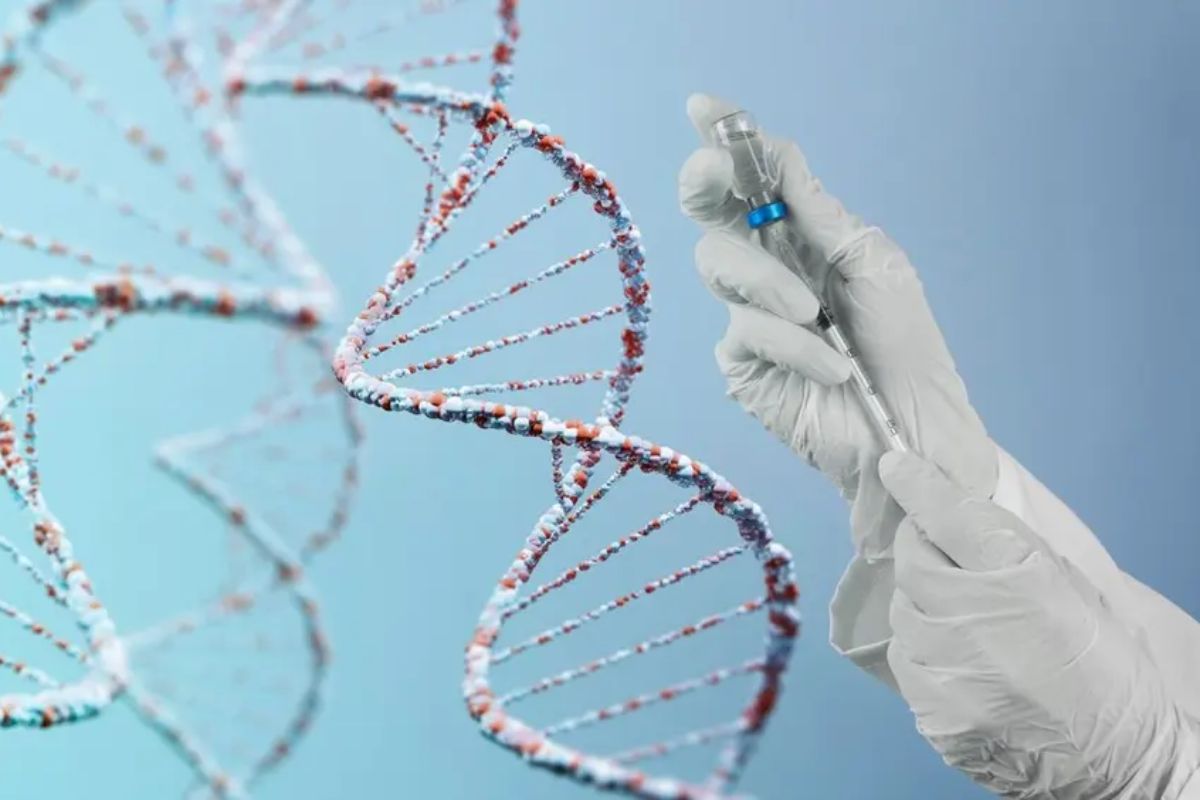
Genetic Disorders are illnesses caused by changes in a person’s DNA. Some are passed down from one generation to the next, while others arise from spontaneous mutations with no family history. Their effects can range from mild symptoms to complex issues that limit quality of life and require multidisciplinary care.
This comprehensive guide covers the causes, classification, diagnosis, and treatment strategies for genetic diseases, offering information and direction to affected individuals and their families.
What are genetic diseases?
Genetic diseases are conditions caused by changes in genes or chromosomes. These mutations can alter the growth, development, or function of the body. Depending on the type of mutation and its biological consequences, the effects can range from mild to severe; in some cases, they affect multiple organ systems and require lifelong treatment.
Types of Genetic Diseases
Understanding the origin of genetic diseases helps healthcare professionals provide accurate diagnoses and tailor treatments. They are generally classified into the following categories:
Single-Gene (Monogenic) Disorders
These effect from mutations in a single gene. They may follow an autosomal dominant, autosomal recessive, or X-linked inheritance pattern.
- Examples: Cystic fibrosis, sickle cell anemia, Tay-Sachs disease.
Chromosomal disorders
These include structural or numerical abnormalities in chromosomes, which often lead to developmental delays or physical anomalies.
- Examples: Down syndrome (trisomy 21), Turner syndrome (monosomy X).
Multifactorial (complex) diseases
Caused by a mixture of genetic variants and environmental influences. They can be passed down in families but do not follow clear inheritance patterns.
- Examples: Diabetes, heart disease, some types of cancer.
Mitochondrial disorders
Mutations in mitochondrial DNA usually affect organs with high energy needs, such as the brain and muscles.
- Example: Mitochondrial myopathy.
Common genetic disorders and their symptoms
Down syndrome
Characterized by the attendance of an extra chromosome 21, this condition exhibits:
- Distinctive facial features
- Cognitive and developmental delays
- Hypotonia and joint weakness
- Increased risk of heart and endocrine diseases
Cystic fibrosis
An autosomal receding disorder that affects the respiratory and digestive systems due to abnormal mucus secretions:
- Persistent cough and lung infections
- Failure to thrive or grow properly
- Malabsorption and fatty stools
Sickle cell anemia
A virus of the red blood cells in which the cells become stiff and sickle-shaped, which impedes circulation:
- Pain crises
- Anemia and fatigue
- Organ damage and increased risk of infections
Hemophilia
An X-linked disorder that affects blood clotting:
- Prolonged bleeding
- Joint swelling due to internal bleeding
- Easy bruising
Huntington’s disease
An autosomal dominant neurodegenerative disorder:
- Involuntary movements (chorea)
- Memory loss and cognitive decline
- Emotional and behavioral problems
Turner syndrome
Affects females with complete or partial absence of the X chromosome:
- Short stature and delayed puberty/puberty
- Infertility
- Heart and kidney abnormalities that occur in the womb
Tay-Sachs disease
A infrequent and fatal neurodegenerative disorder that usually appears in childhood:
- Loss of motor skills
- seizures and vision loss
- Progressive neurological deterioration
Causes of genetic disorders
Inherited mutations
Genetic disorders can be approved from parents to children following specific inheritance patterns:
- Autosomal dominant: A single altered copy of the gene is sufficient (e.g., Huntington’s disease).
- Autosomal recessive: Both copies must be altered (e.g., cystic fibrosis).
- X-linked: The mutation is placed on the X chromosome; it usually causes more severe symptoms in males (e.g., hemophilia).
*De novo* (spontaneous) mutations
Mutations can arise in an individual, usually during embryonic development. They are not hereditary and may explain sporadic cases, such as some cases of Down syndrome.
Chromosomal abnormalities
Structural or numerical changes in chromosomes can affect many genes:
- Trisomies or monosomies (e.g., Down syndrome, Turner syndrome)
- Deletions or duplications (e.g., *cri-du-chat* syndrome)
Environmental mutagens
Exposure to radiation, infection, or toxins—especially during pregnancy—can cause mutations and congenital anomalies.
How are genetic disorders discovered?
Clinical evaluation
The initial evaluation usually begins with the following:
- A detailed personal and family medical history
- Physical examination to identify dysmorphic features or developmental delays
Genetic testing
Laboratory procedures help confirm suspected diseases:
- Molecular testing: Detects mutations in a gene
- Chromosome testing: Karyotyping, FISH, or microarray to identify large changes
- Biochemical testing: Checks levels of enzymes or metabolic markers
Prenatal and newborn screening
- Prenatal testing: Amnio or chorionic villus sampling (CVS) can detect fetal chromosomal or genetic abnormalities.
- Newborn screening: National programs help identify conditions such as phenylketonuria (PKU) and congenital hypothyroidism early.
Management and treatment of genetic disorders
While not all genetic disorders have a cure, many can be treated with a combination of medical, surgical, and supportive strategies.
Medications
- Enzyme replacement therapy (ERT): For lysosomal storage disorders such as Gaucher disease or Fabry disease
- Drugs that target specific genes: e.g., ivacaftor for cystic fibrosis
- Hormone therapy: Growth hormone for Turner syndrome
Gene therapy
(currently being developed)
Modern methods aim to correct or silence defective genes. Gene therapy offers great opportunities for:
- Hemophilia
- Sickle cell anemia
- Inherited retinal dystrophies
Stem cell and bone marrow transplants
Used for:
- Blood disorders (e.g., thalassemia, severe combined immunodeficiency or SCID)
- Restoring blood cell production and the immune system
Supportive therapies
- Physical and occupational therapy: Important for muscular and neurodevelopmental disorders
- Speech therapy: Especially important for Fragile X syndrome or conditions related to cleft lip and palate
- Psychosocial support: Counseling and peer support networks improve coping skills and quality of life
Nutrition and lifestyle interventions
- Special diets: Phenylketonuria (PKU) requires restriction of phenylalanine
- Enzyme supplements: Used in cystic fibrosis to aid digestion
- Regular monitoring: Necessary for early detection of complications
Genetic counseling and family support
Genetic counseling is important in the management of hereditary diseases. It helps families to:
- Understand inheritance patterns and recurrence risks
- Make informed reproductive decisions
- Cope with the diagnosis through psychological support and guided anticipation
Conclusion: Empowerment through knowledge
Although genetic diseases are complex, they are increasingly understood thanks to advances in genomics and clinical genetics. Early diagnosis and a personalized treatment approach can significantly improve outcomes and quality of life.
If you or a loved one has a genetic disease or is at risk of developing one, consulting with specialists promptly is essential. At Max Hospital, our department offers expert testing, genetic counseling, and personalized treatment options.