
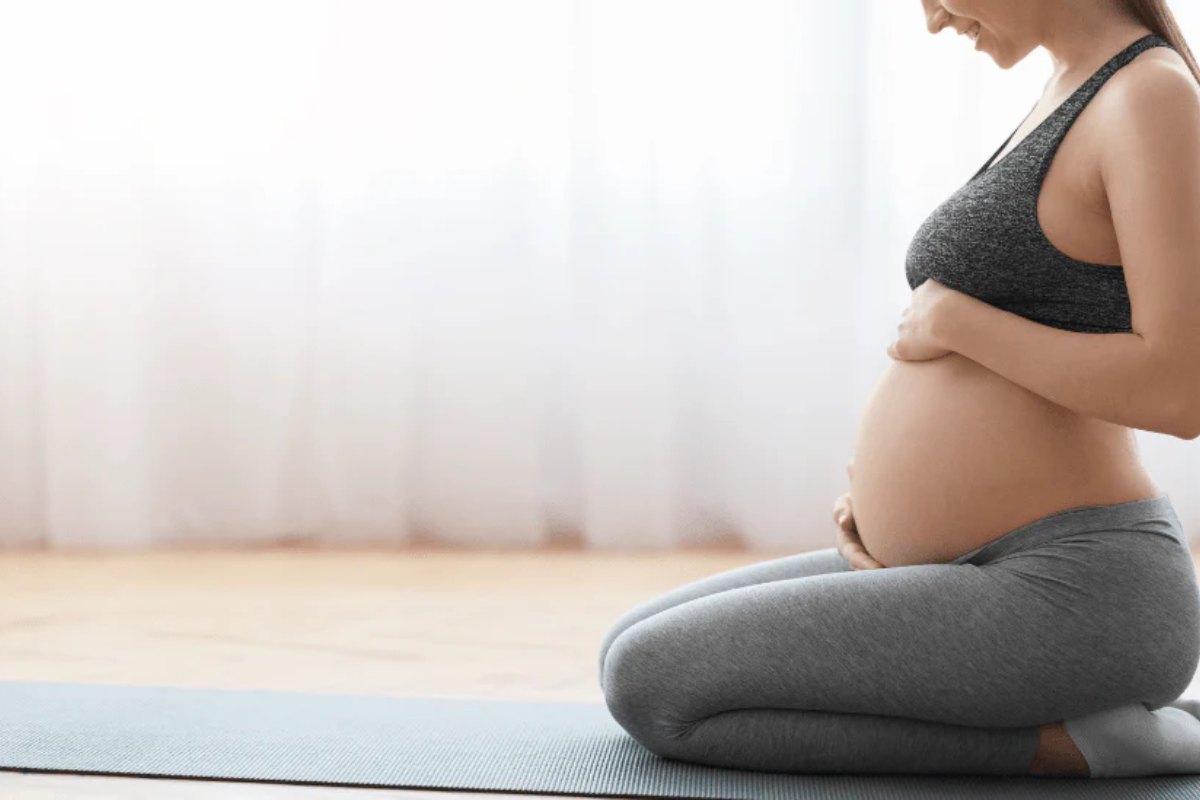
Prenatal yoga supports pregnant women by providing gentle physical support and emotional stability during a time of intense change. Pregnancy is often portrayed as a time of joy—and it certainly is.
But it is also a time of profound physical, emotional, and mental shifts.
The body stretches in unusual ways. Energy levels fluctuate. Sleep becomes lighter. Emotions seem to surface more easily. For many pregnant women, there is also a tacit pressure to “be careful,” which often translates into moving very little.
However, pregnancy is not an illness.
It is a transition.
A transition from womanhood to motherhood.
And transitions require support, not rigidity.
This is where prenatal yoga comes in—not merely as a form of exercise or a display of physical prowess, but as a gentle companion throughout the pregnancy journey.
What Is Prenatal Yoga?
Prenatal yoga is a stylishness of yoga designed exactly to accommodate the changing needs of the body during pregnancy.
Unlike conventional yoga classes—which may focus on flexibility, strength, or advanced poses—prenatal yoga prioritises:
- safety
- breath awareness
- gentle movement
- emotional balance
It honours the fact that the pregnant body is already performing an extraordinary feat.
The goal is not to “force” the body, but to support it—physically, mentally, and emotionally—through every stage of pregnancy.
4 Reasons Why Prenatal Yoga Matters for Expectant Mothers
1. Physical Support Without Strain
As pregnancy progresses, the body’s centre of gravity shifts. This often leads to back pain, pelvic discomfort, hip stiffness, and fatigue. Prenatal yoga offers benefits by:
- gradually improving posture
- alleviating discomfort in the lower back and hips
- maintaining mobility without overstretching
- promoting circulation and reducing stiffness
The movements are slow, mindful, and designed to work with the body, rather than against it.
2. Emotional Balance During Hormonal Changes
Mood swings are common during pregnancy, yet they are rarely discussed openly.
Hormonal changes—combined with physical discomfort and the anticipation of childbirth—can trigger anxiety, irritability, or emotional outbursts.
Prenatal yoga creates a space to pause.
- Through breathwork and gentle self-awareness, expectant mothers learn to:
- recognise emotional shifts without judgment
- calm the nervous system
- feel more grounded and present
This emotional stability often carries over into daily life, improving sleep quality and overall well-being.
3. Breath Awareness and Preparation for Labour
One of the most important aspects of prenatal yoga is breath awareness.
During pregnancy, breathing often becomes shallow due to the physical changes the body undergoes. Prenatal yoga gently retrains the breath, helping expectant mothers to:
- breathe more deeply and consciously
- remain calm during labour
- gain confidence in managing physical sensations
This breath awareness proves especially useful during childbirth—a time when the ability to remain present and calm can make a significant difference.
4. Building a Mindful Connection With the Baby
Pregnancy is often a hectic time: doctor’s appointments, family advice, planning, and the constant thought of “what comes next?”
Creating moments of stillness is one of the most overlooked benefits of prenatal yoga.
Moments in which mothers can find serenity, listen to their inner selves, and simply *be* with their growing baby.
These moments foster:
- emotional bonding
- observation
- a deeper sense of connection and tranquillity
It is not unusual for mothers to remark that these serene practices become the most rewarding part of their routine during pregnancy.
Common Myths Around Prenatal Yoga
Despite growing awareness, many misconceptions persist.
Let’s take a look at a few of them, in a nutshell:
“Yoga is dangerous during pregnancy.”
When practised under proper guidance and with full awareness, prenatal yoga is safe.
“Only flexible women can practice yoga.”
Flexibility is not a requirement. Prenatal yoga adapts to the body exactly as it is in that moment.
“Rest is better than movement.”
Rest is important; however, gentle, mindful movement promotes circulation, posture, and emotional well-being.
The key lies in appropriate movement, not inactivity.
What Does a Prenatal Yoga Practice Usually Include?
A typical prenatal yoga session may include:
- gentle stretches to relieve tension
- gentle strengthening exercises to improve posture
- breathing techniques to foster calm and focus
- guided relaxation or rest
No rushing.
No competition.
No pressure to “achieve” anything in particular.
Safety First: Important Things to Keep in Mind
Safety must always be the priority in prenatal yoga.
Pregnant women are advised to:
- Practice under the supervision of a qualified prenatal yoga instructor
- Avoid comparing their practice with that of others
- Stop immediately if any discomfort or pain arises
- Consult their healthcare provider before beginning
Yoga during pregnancy focuses on body awareness rather than physical endurance.
When Can Prenatal Yoga Be Started?
In many cases, it is recommended to begin prenatal yoga after the first trimester, once the body has adapted to the changes typical of the early stages of pregnancy.
However, every pregnancy is unique.
The ideal time to start depends on:
- Medical advice
- Physical comfort
- Personal readiness
Listening to your own body is always more important than following a preset schedule.
Conclusion
Prenatal yoga is not about preparing the body to “return to normal.”
It is about preparing the body and mind to navigate change with grace.
It helps pregnant women to:
- remain physically comfortable
- Stay emotionally balanced
- feel mentally serene
- and remain deeply connected with themselves and their baby
In a world where pregnant women are often told to “do nothing” or to “do too much,” prenatal yoga offers a middle path—a path of awareness, gentleness, and trust.
And sometimes, that serene support is exactly what both mother and baby need.