
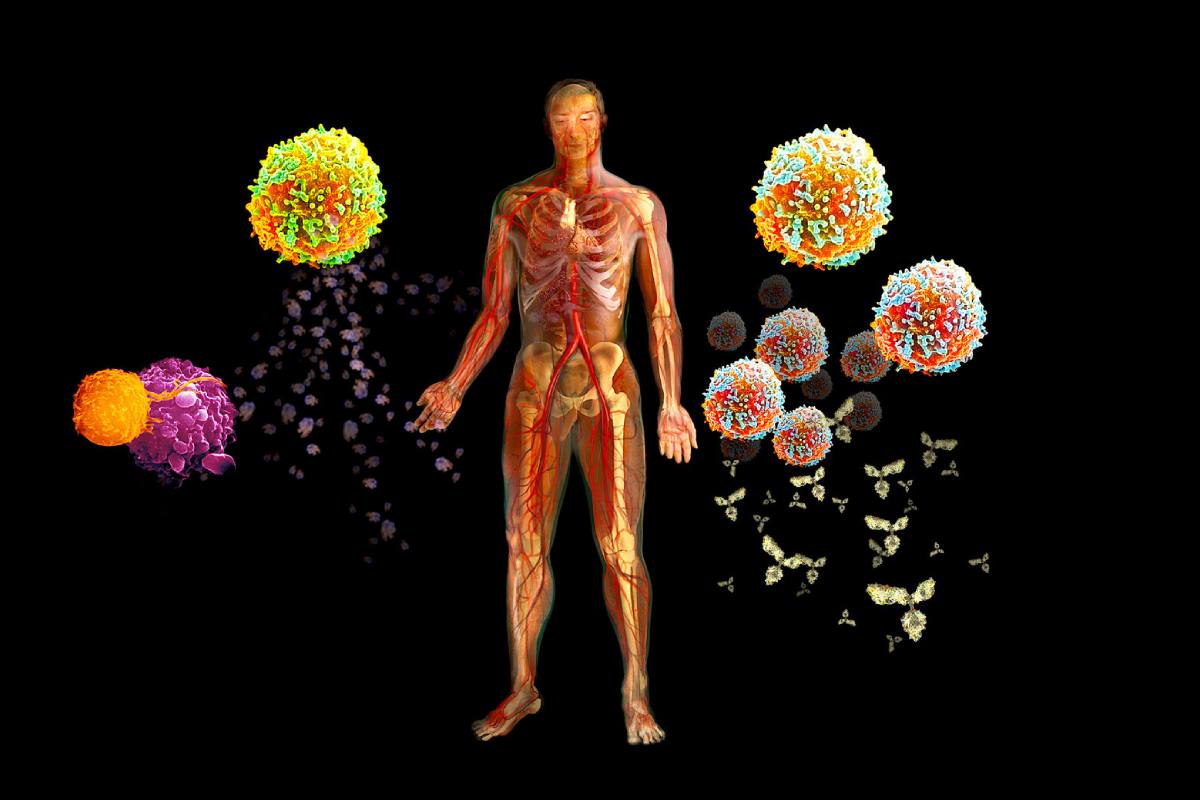
A strong immune system is a fundamental defence against harmful bacteria, pathogens, and viruses. Consequently, strengthening our immune system reduces risk factors and enhances our overall well-being. According to scientific evidence, some individuals are fortunate enough to possess a naturally privileged immune system, and their genetics play a significant role in bolstering their overall immunity.
Nevertheless, adopting a healthy lifestyle and maintaining good hygiene can considerably improve one’s immunity. In this article, we will share several tips—backed by scientific evidence—to help you achieve a robust immune system. So, let’s explore these essential tips and discover how they can help you enjoy a vigorous immune system.
Tips to Achieve a Strong Immune System
A Healthy Diet Is Essential
People who suffer from frequent colds, the flu, or viral fevers may need to focus more on boosting their immunity. A weakened immune system is often the root cause of serious health problems. Furthermore, individuals with a weak immune system frequently fall ill due to infectious diseases.
Consequently, they should strive to build a strong immune system. A healthy diet constitutes one of the most important—and yet simplest—steps toward building a robust immune system.
Incorporate nutritious, balanced foods into your diet to provide your body with the necessary nourishment. Consume citrus fruits, which are rich in Vitamin C—a nutrient that reduces the risk of severe inflammation.
Be sure to include leafy green vegetables, lean proteins, yoghurt, nuts, healthy fats, and berries in your diet. Do not exceed the recommended limits for salt and sugar in your daily meals; instead, try to limit your sugar feasting as much as possible.
Maintaining a healthy, stable diet will boost your immune system, which can reduce your risk of contracting infectious diseases. Therefore, investing in healthy foods will help you maintain a resilient, vigorous immune system.
Exercise Every Day
Be sure to set aside at least one hour for exercise and muscle relaxation. Cardiovascular exercises—such as swimming, running, cycling, and cross-training—will improve blood circulation, which will ultimately strengthen the immune system.
As you gain strength, it will be time to incorporate some strength-training exercises. These strength-training sessions promote robust musculature and significantly improve lymphatic drainage.
Lymphatic drainage contributes directly to improved immunity. Furthermore, intensive exercise sessions strengthen the immune system, reducing the risk of experiencing additional inflammatory processes.
Improve Your Sleep Cycle
Scientific evidence has established a positive correlation between insufficient sleep and compromised immunity. Therefore, prioritizing your sleep cycle is crucial, as it allows your body to rest, repair, and restore. Insomnia has become a persistent problem that negatively impacts both your sleep cycle and your immunity.
Let us establish a strict sleep routine and adhere to it rigorously. Aim for eight hours of sleep per day. Practice relaxation techniques—such as the Jacobson method, mindfulness, and deep breathing—before going to bed.
These relaxation techniques will help you fall asleep more quickly and ensure uninterrupted rest. A healthy sleep cycle will let you to enter the REM (Rapid Eye Movement) phase more rapidly. REM sleep is fundamental for strengthening your immune system and enhancing your overall well-being.
Focus on Maintaining a Healthy Body Weight
Being overweight or obese is a fundamental cause of many serious health problems. It also affects the digestive system, which, in turn, impacts the immune system. Therefore, you should strive to maintain a healthy body weight at all times. Excess weight around the waistline can lead to severe inflammation and weaken the immune system.
Consequently, overweight individuals should incorporate healthy lifestyle changes to manage their weight properly. Following a balanced diet, exercising daily, and getting sufficient sleep can make a decisive difference—gradually reducing body weight and improving immune system function.
Stress Management Is Essential
Various research reports indicate that anxiety and stress can directly affect your immune system, weakening it and impairing its function. However, modern life is replete with stressors. Given these circumstances, stress management becomes a fundamental task. Hectic work schedules, responsibilities, and a lack of self-care can significantly elevate your stress levels and weaken your immune system.
Practice stress management techniques such as yoga, meditation, mindfulness, muscle relaxation, and pranayama. Additionally, carve out time in your busy schedule for self-care. If these relaxation techniques fail to alleviate your anxiety issues, do not hesitate to consult a mental health professional. Furthermore, prioritizing mental health is essential for maintaining a robust immune system.
Incorporate Nutritional Supplements into Your Diet
At times, your daily diet may fail to meet your nutritional needs. Specific vitamins and minerals are required to build a robust immune system. Your daily intake should provide healthy amounts of Vitamin A, B-complex vitamins, Vitamin C, zinc, potassium, calcium, and magnesium. However, your daily diet may not always meet this nutritional standard, which could weaken your immunity.
Consequently, professional dietitians and health specialists recommend incorporating nutritional supplements. Nevertheless, ensure that these supplements are authentic and provide the appropriate combination of each essential nutrient. Consuming this type of health supplement gradually strengthens the immune system.
The Need to Improve Hygiene
Poor hygiene often leads to severe inflammation, which weakens the immune system over time. From skin infections to urinary tract infections (UTIs), poor hygiene can foster a range of infections that directly compromise our immune system.
Adopt healthy hygiene habits, such as washing your hands before eating. Frequently use hand sanitiser (antiseptic gel) when travelling. Additionally, wash your clothes regularly. Avoid close contact with people who are infected with infectious diseases. Use a toilet seat sanitizer whenever you use a public restroom. These healthy habits will promote hygiene, boost immunity, and reduce the risk of constricting infectious diseases.
Final Reflections
Genetics does not always endow us with a robust immune system; at times, we must make an effort—establishing an appropriate exercise routine and investing in a healthy diet—to achieve an optimal immune system. These lifestyle changes can bolster your immunity and protect you from pathogens, bacteria, and viruses. Remember that the small steps you take can yield long-term results.