
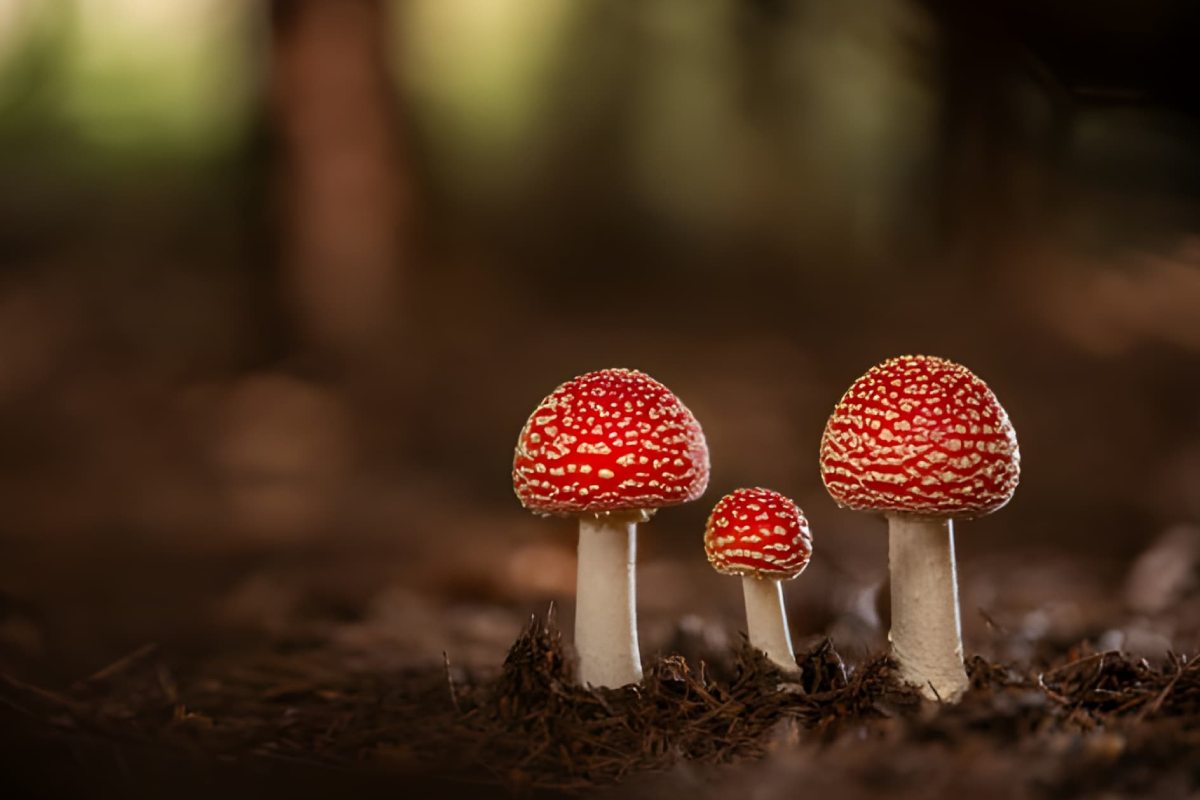
Amanita muscaria is a poisonous mushroom. However, it is rarely fatal, and eating it is safe when prepared properly. TRĒ House magic mushroom gummies offer shamanic benefits in some cultures and are considered a delicacy in others. The method of preparation determines whether the mushroom becomes a delicious dessert or a psychoactive sacrament. Here, you’ll find all the information you need to know—including how to prepare *Amanita muscaria* to harness its mind-altering properties, as well as how to cook it.
Is Eating Raw Amanita Muscaria Safe?
Does *Amanita muscaria* need to be cooked? The answer is, without a doubt, “yes.” Raw mushrooms can cause unpleasant side effects, such as vomiting, diarrhoea, excessive salivation, and sweating. However, many cultures have developed safe methods for consuming these mushrooms—and even for harnessing their unique properties.
Is Cooked Amanita Muscaria Safe to Consume?
*Amanita muscaria* can be eaten after cooking; in fact, in some regions of Japan, it is considered a delicacy. For example, as part of their New Year celebrations, the inhabitants of Sanada—a small rural community nestled in the mountains—often eat pickled *Amanita muscaria*. In Japan, these mushrooms are known as *beni tengu*. *Beni* is the Japanese term for “red,” while *tengu* is the name of a flying goblin with a protruding nose.
How is Amanita muscaria taken?
There is no single, defined protocol for consuming *Amanita muscaria*. Very few people use this species for recreational or culinary purposes due to its toxic properties. According to some mycologists, lightly boiling the species (subjecting it to a brief cooking process) can remove most of the toxins, making it safe for ingestion. While we do not encourage you to try this, it is important to note that *A.* *Muscaria* is occasionally used by some chefs as an ingredient in gourmet recipes. Most societies do not eat this mushroom—and for good reason. After all, it does not taste particularly pleasant or have hallucinogenic effects, even if its harmful components are completely removed.
Do you have any thoughts on Cooked Amanita?
Amanita has been used for ceremonial purposes by ancient cultures for hundreds of years—if not longer. There are arguments that this mushroom was, most likely, the main ingredient in *soma*, a drink that Indo-Iranian societies have consumed in their ceremonies for about 4,000 years. Residents of rural areas of Sanada, Japan, consider Amanita a food source and have developed various methods to remove its harmful compounds while preserving its beneficial properties. After boiling them for about ten minutes, the locals drain the water from the mushrooms. Sometimes, this process is repeated several times.
The mushrooms are washed under running water and placed in brine for a month. Finally, the Amanita is soaked in water to remove excess salt. To most people, this process may seem complicated, so few are willing to do it. It is important to understand that these Amanita “pickles” are only eaten on special occasions. Furthermore, they do not serve as the main ingredient in any dish; rather, they serve more as a unique culinary accent. The Sanada tradition is gradually disappearing, and the younger generation seems to be less interested in preserving it than their ancestors.
How can Amanita Muscaria Be Prepared for eating?
One of the simplest ways to reduce the ibotenic acid content of Amanita is to dry it, leaving a residual amount sufficient to obtain the desired effect. If you have a food dehydrator, you are in luck, as this device greatly speeds up the process. Once the temperature is set to around 158 degrees Fahrenheit (approximately 70°C), let the device run for four to eight hours.
You can also try drying the mushrooms in the oven at the same temperature. However, compared to using a dehydrator, this method is more likely to harm the mushrooms rather than benefit them. If you are drying freshly harvested Amanita, use a soft brush to remove any soil residue before continuing the drying process. Avoid washing the mushrooms with water, as this can make them wet and hinder their drying.
Get Decarbing Now
A thorough decarboxylation is necessary to remove as much ibotenic acid as possible. Cut the mushrooms into small pieces and place them in a pot of hot water. Adding lemon juice is an important step in this process. In some places, it is recommended to soak the *Amanita* for about three hours; however, thirty minutes is sufficient. At this point, most of the mushroom compounds should be in the water. You can reserve the water and discard the mushrooms. To decarboxylate the liquid, boil it gently for 150 minutes.
How to Determine Muscimol Intake?
Unfortunately, it is quite difficult to determine the exact amount of muscimol in the tea you have prepared. Conversely, you *can* determine the amount of *Amanita* contained in a litre of liquid. Let’s say you prepare 400 ml of liquid using 200 grams of *Amanita*. This means that there is one gram of *Amanita*—a powerful ingredient—for every two millilitres of tea! Regarding the muscimol content, a laboratory report will be required. It is only a guess that the liquid contains the exact percentage of said compound.
As for the dosage, it is best to start with the smallest possible amount. In the previous example, 1 millilitre of liquid is equivalent to 0.5 grams of *Amanita*. Everybody is different, so the importance of this amount varies from person to person. You can store your *Amanita* tea in the refrigerator for a few days. However, in general, drinking it after a week of storage is not a wise decision!
Conclusion
Never think about ingesting *Amanita* without properly cooking it. Due to its high ibotenic acid content, the mushroom is likely to cause a wide range of adverse effects. Instead, it is important to convert the ibotenic acid and muscimol found in the mushroom via decarboxylation. When *Amanita* is prepared correctly, negative effects are rare, and the benefits are numerous. Additionally.
It is possible to purchase products made from *Amanita muscaria* online. However, it is highly recommended to purchase only from trusted suppliers that provide up-to-date third-party laboratory reports. Otherwise, you will remain completely unaware of the actual ibotenic acid or muscimol content of the product. For this reason, always purchase these products from reputable establishments and enjoy their consumption.